


Denys Oliver Street
- Family History
- Military history
- Extra information
- Photographs
Son of Sir Arthur William Street, G.C.B., K.B.E., C.I.E., C.M.G., M.C., J.P., and Lady Street, of Mill Hill, Middlesex.
BERLIN 1939-1945 WAR CEMETERY 3. A. 24.
Berlin
329 aircraft , including seven from Langar, attacked Berlin 29/3/43 in good visibility but delayed by inaccurately forecast winds. Bombing was carried out from 16,000 to 20,000 feet between 01.00 and 01.16.
Lancaster I W4931 EM-U took off 21.32 29 Mar 1943 from Langar. Hit by Flak at 15,000 feet over Berlin and after losing 7,000 feet in altitude was finished off by a night-fighter. The entire crew escaped from the aircraft to be captured by enemy soldiers and sent to various PoW camps.
They were Denys Oliver Street (P), Cyril Dudley (FE), Bramwell Allenby Rawlinson (N), William Leslie Blake (W/Op), Gerald Valentine Eld (BA), Bernard Howard Nutt (AG), James Earl Taylor (AG)
Denys Oliver Street, was at Stalag Luft III at Sagan and took part in the Great Escape in March 1944. He was recaptured and murdered by the Gestapo along with forty nine others on or around 6/4/1944.
The Great Escape was a real, large-scale breakout by 76 Allied POWs from Germany's Stalag Luft III POW camp on March 24-25, 1944 masterminded by RAF Squadron Leader Roger Bushell. However, only three men successfully reached freedom, with 50 of the 73 recaptured escapers later executed by the Gestapo, a tragic event immortalized but fictionalized in the 1963 film. The POWs meticulously dug three tunnels named "George", "Harry", and "Tom") under the noses of their guards, using ingenuity and sheer effort, but the escape was ultimately a devastating failure for most involved, resulting in mass murder ordered by Hitler. Two Norwegians - Sergeant Per Bergsland of 332 Squadron & Second Lieutenant Jens E Muller of 331 Squadron and a Dutch airman Flight Lieutenant Bram van der Stok of 41 Squadron survived the foiled plot and escaped to freedom.
The Real Events
• Location: Stalag Luft III, a Luftwaffe-run camp in Sagan, Poland (then Germany).
• Mastermind: Squadron Leader Roger Bushell (codenamed "Big X").
• The Plan: To dig multiple tunnels (codename "Fred the Tunnel" was the successful one) and escape in stages, using clever methods like a vaulting horse to hide digging and create distractions, and an assembly line to produce escape aids like uniforms and documents.
• The Escape: On the night of March 24-25, 1944, 76 men emerged from the tunnels.
• The Outcome: Only three made it to freedom; 73 were recaptured. Hitler ordered 50 of the recaptured men shot, a brutal act carried out by the Gestapo, making it a devastating loss for the Allied air forces.
The Film vs. Reality
• Accuracy:
The 1963 film, starring Steve McQueen, captures the spirit of ingenuity and daring but is a fictionalized, Hollywood version, with many characters composites of real people or pure invention, notes SlashFilm.
• Key Differences:
The film's iconic motorcycle jump, for example, was largely a stunt, and the focus on American characters (like McQueen's Hilts, based partly on William Ash) overshadows the predominantly British and Commonwealth airmen who carried out the real escape.
• Real Characters:
Characters like "Tunnel King" Wally Floody (based on Canadian Wally Floody) and the American pilot "Bob" Hilts (inspired by William Ash) had real counterparts.
The Legacy
• The Great Escape remains a famous tale of POW bravery, but the real story is far darker, a testament to both incredible human spirit and Nazi brutality, documented by organizations like the Commonwealth War Graves Commission.
•
AI responses may include mistakes.
For a full list of Stalag Luft III escapers executed see Great War to Great Escape by Laurence Green.
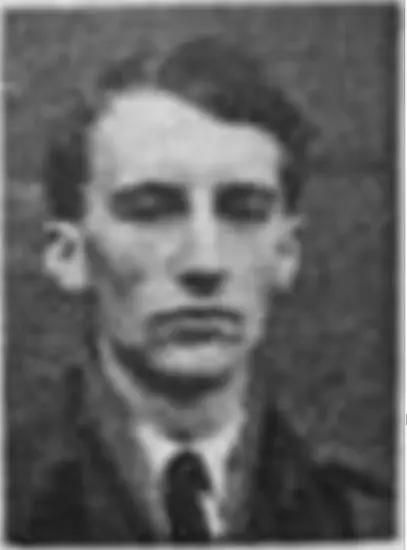 Denys Oliver Street
Photo: Courtesy of CWGC. Copyright unknown.
Denys Oliver Street
Photo: Courtesy of CWGC. Copyright unknown.
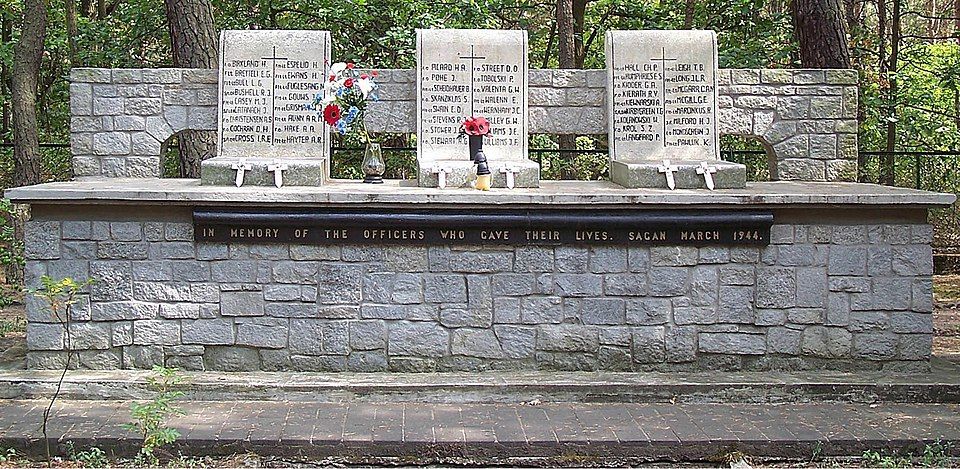 Memorial to 50 allied escaper airmen recaptured and murdered by the Gestapo.
Photo: Courtesy of Wikipedia
Memorial to 50 allied escaper airmen recaptured and murdered by the Gestapo.
Photo: Courtesy of Wikipedia