

Six 9 Sqdn airmen lost their lives when Lancaster I DV334 (WS-C) crashed on the night of 3 December 1943 having returned from a bombing raid on Berlin. Lancaster I DV334 had been diverted from its home base of RAF Bardney, Lincs, and initially tried to land at RAF Ossington, Nottinghamshire. However, heavy fog prevented landing at this diversion airfield and the crew then tried to land at nearby RAF Gamston. This attempt was also unsuccessful due to the atrocious weather. Low on fuel the Lancaster crashed in a field close to Milton Mausoleum, only a few miles from the A1. There were two survivors: Sgt CWA Richards (W/Op/AG) and Sgt LB Owen (RCAF).
458 aircraft - 425 Lancasters, 18 Mosquitoes and 15 Halifaxes took part in this raid. 37 Lancasters, 2 Halifaxes and 1 Mosquito (8.7% of the attacking force) were lost. Night fighter controllers had correctly identified Berlin was the target 19 minutes before zero and many fighters lay in wait. Incorrectly forecast wind direction scattered the bomber force, particularly on the way home, and fighters also scored heavily during this phase. 460 (Australian) Sqdn lost 5 of its 25 Lancasters including one carrying two war correspondents - Captain Greig of the Daily Mail and Norman Stockton of the Sydney Sun.
Some significant damage was caused to eastern and western disticts of the German capital. Two Siemens factories, a ball bearing works and several railway installations were badly hit. Elsewhere damage was light with only 136 buildings destroyed. 36 civilians were killed and a further 105 were classified as 'missing'.
Source: Martin Middlebrook & Chris Everitt, The Bomber Command War Diaries, p.p.456-457.
Wing Commander Eric Nelson, in command of 103 Sqdn but a passenger on this operation, remembered a Lancaster exploding 'very fine on the port bow on the run in to the target. It suddenly appeared - a huge ball of waves of fire rolling over each other... That flight to Berlin sent up my admiration for the pilots and crews who had to go to Berlin so often that winter. The defences were certainly a tough nut to crack.'
(Source: Martin Middlebrook, The Berlin Raids, p.135.)
- Names on this memorial
- Location
- Photographs
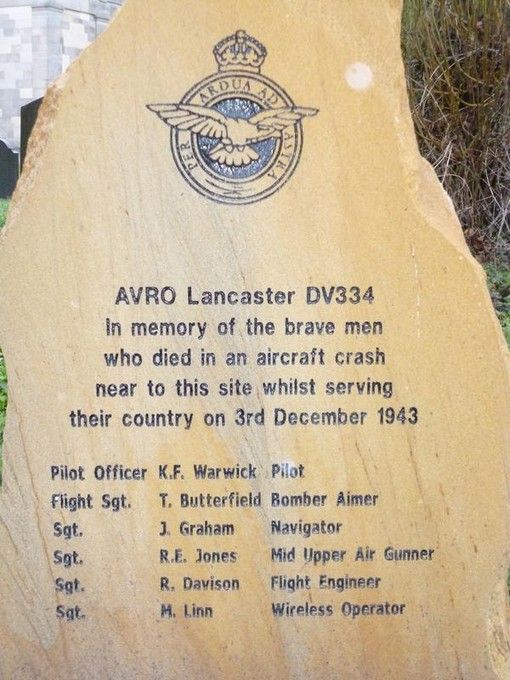 RAF Markham Clinton Air Crash - World War Two
Photo: Courtesy of Nottinghamshire County Council
RAF Markham Clinton Air Crash - World War Two
Photo: Courtesy of Nottinghamshire County Council
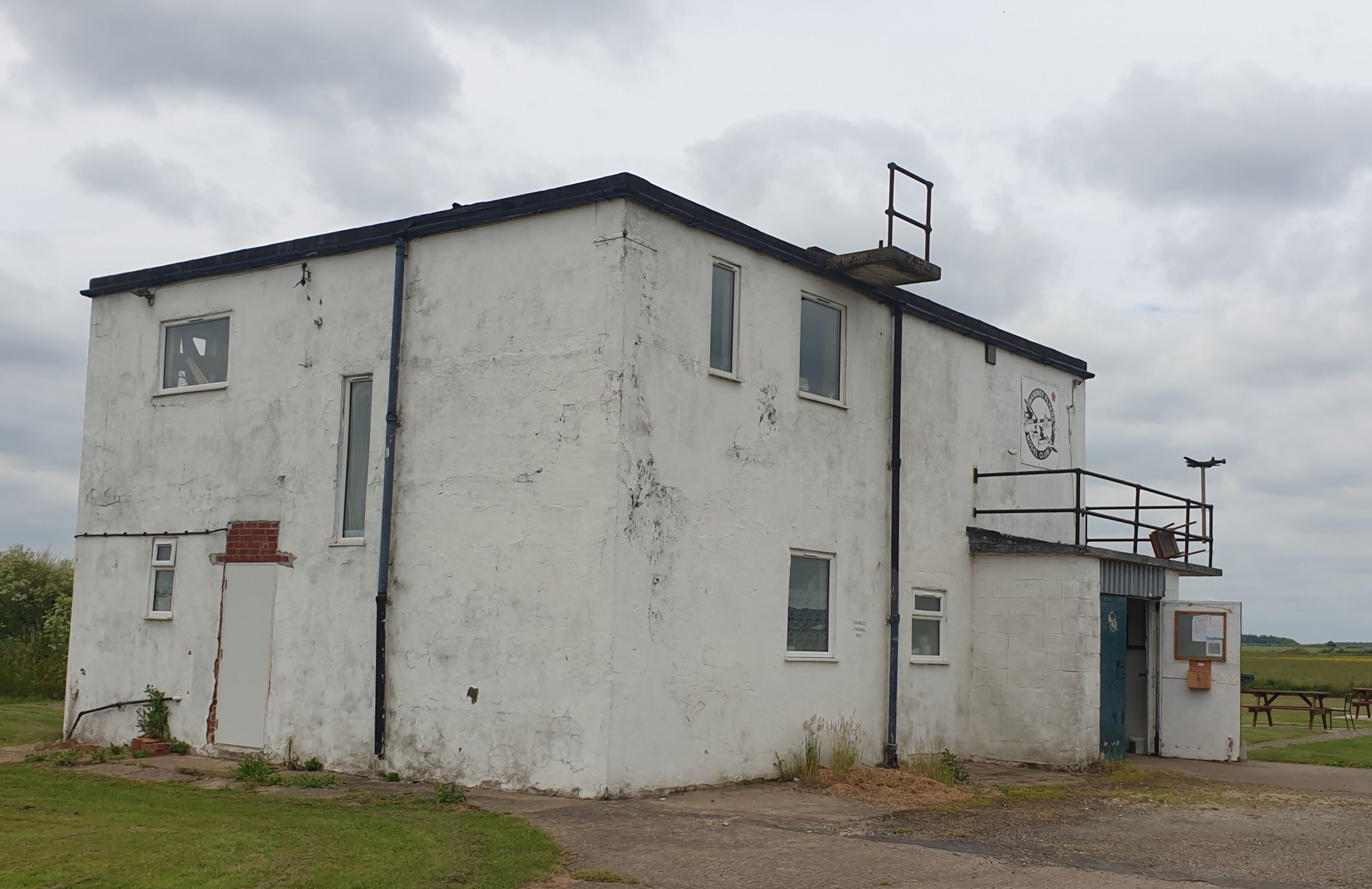 RAF Bardney World War Two Control Tower
Photo: David Nunn
RAF Bardney World War Two Control Tower
Photo: David Nunn
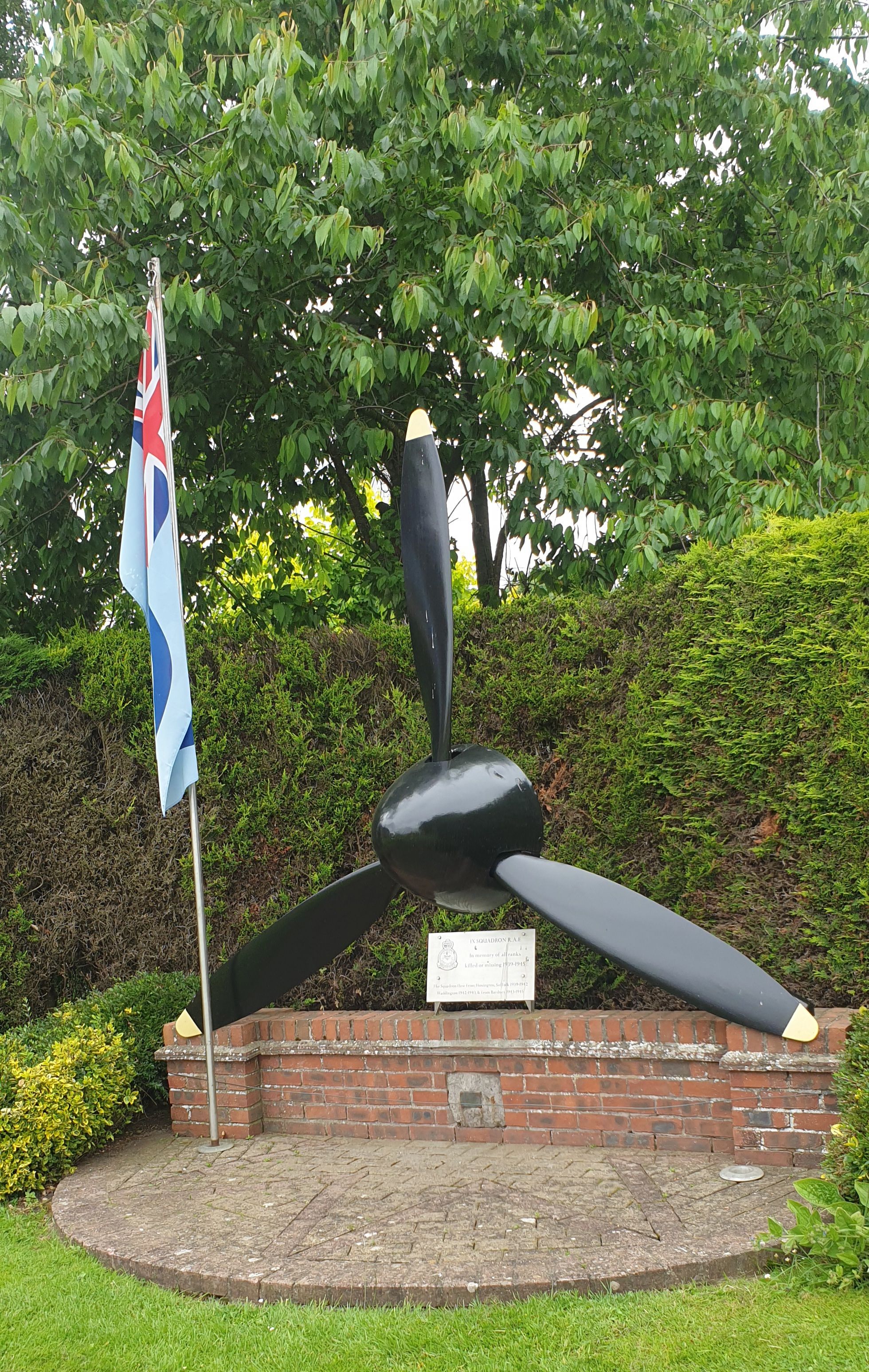 Bardney Village RAF Memorial
Photo: David Nunn
Bardney Village RAF Memorial
Photo: David Nunn